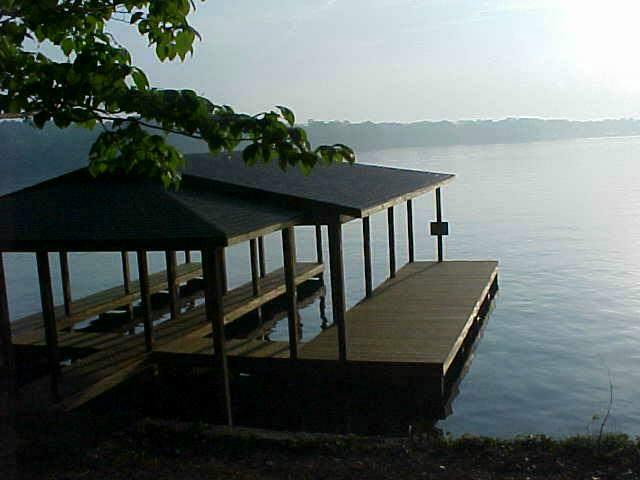
If you rent boats to the public or your customers, you should have a very good checkout procedure in place to educate your boat rental customer and to document that you have reviewed the boat operation, safety features and equipment, and boat navigation with your boat rental customer.
As a marina and resort insurance specialist, I review many checkout procedures for my clients. One thing that is often missing from the checkout procedure is language addressing current lake conditions. Why is this important?
A boat rental customer recently accused one of my clients of renting a boat in unsafe lake conditions. The lake was near flood stage and there was a lot of floating debris in the lake. The rental customer hit something in the lake, most likely a submerged tree, and damaged the lower unit on the boat. Of course, the rental customer was liable for the damage per the boat rental contract but they used the “unsafe lake conditions” argument to try to get out of paying for the damage to the lower unit.
Because of this recent experience, it would be a good idea to add a clause to your boat rental agreement or checkout procedure stating that lake conditions can be unpredictable and can change in an instant due to water current, winds, hail, lightning, high/low water levels, or other weather and water conditions. It is the responsibility of the boat renter to monitor conditions and decide whether they want to rent the boat and the boat renter agrees to hold boat rental company harmless if any damages/injuries occur due to lake and weather conditions. Of course, if the lake is full of floating timber or under threat of approaching severe weather, it is a good idea to stop renting boats until the dangerous conditions are not a threat.
Addressing lake and weather conditions on your boat rental contract or checkout procedure will help to protect against claims related to these issues.
Monday, August 29, 2011
Thursday, August 25, 2011
Workers Face Higher Health Care Costs
According to a new survey by the National Business Group on Health, large U.S. employers are planning to shift higher health care costs to workers next year, thanks largely to cost increases that are more than twice the rate of inflation.
Employers estimate their health care benefit cost will increase an average of 7.2 percent in 2012, which is slightly lower than this year's 7.4 percent average increase. However, it still outpaces economic growth and business conditions, putting many employers in a tough spot.
While employees brace for a bigger share of the benefits tab over the next year, employers look to cost-mitigating strategies like consumer driven health plans, cost sharing and wellness initiatives. The survey also found other changes in benefit programs as various components of the health care reform law take effect.
To help control increases and drive down costs to avoid the "Cadillac" tax, employers are planning to use a wider variety of cost-sharing strategies. More than half of the employers (53 percent) plan to increase the percentage that employees contribute to the premiums, while 39 percent plan to increase in-network deductibles. Twenty-three percent of employers plan to increase out-of-network deductibles, while 22 percent will increase out-of-pocket maximums next year.
The survey was based on responses from 83 of the nation's largest corporations, and was conducted in June 2011.
Employers estimate their health care benefit cost will increase an average of 7.2 percent in 2012, which is slightly lower than this year's 7.4 percent average increase. However, it still outpaces economic growth and business conditions, putting many employers in a tough spot.
While employees brace for a bigger share of the benefits tab over the next year, employers look to cost-mitigating strategies like consumer driven health plans, cost sharing and wellness initiatives. The survey also found other changes in benefit programs as various components of the health care reform law take effect.
To help control increases and drive down costs to avoid the "Cadillac" tax, employers are planning to use a wider variety of cost-sharing strategies. More than half of the employers (53 percent) plan to increase the percentage that employees contribute to the premiums, while 39 percent plan to increase in-network deductibles. Twenty-three percent of employers plan to increase out-of-network deductibles, while 22 percent will increase out-of-pocket maximums next year.
The survey was based on responses from 83 of the nation's largest corporations, and was conducted in June 2011.
Wednesday, August 24, 2011
9 Things Employees Want From Their Managers (and 5 things they don't)
Different employees crave different things from their Managers. For example, some employees want a hands-on boss who stops by with a “How are things going?” every couple of hours. Others don’t care to see their boss but once a year at the performance review.
A survey of 5,000 U.S. employees reveals what matters most to workers:
1) Honesty
90% say they want honesty and integrity from their manager. Lies and secrets are the biggest killers to credibility.
2) Fairness
89% want their manager to be fair and to hold all employees accountable to the same standards.
3) Trust
More than 86% want to trust- and be trusted by- their manager.
4) Respect
84% want to respect- and be respected by- their manager.
5) Dependability
81% say they want to be able to count on their manager when needed.
6) Collaboration
77% want to be a part of their manager’s team and be asked to contribute ideas and solutions. Shutting employees out will shut them up- and send them shipping out.
7) Genuineness
76% want their manager to be a genuine person. Employees sometimes spend more time with their boss than with their families- they don’t want a phony.
8) Appreciation
74% want their manager to appreciate them for who they are and what they do. When was the last time you handed out a “Thank You” or “Great job!” to employees?
9) Responsiveness
74% want their manager to listen, understand and respond. Be a sponge, not a brick wall.
5 Things they DON’T NEED from a Manager:
1) Friendship
Only 3% want their manager to be a friend. As in parenting, it’s more important to be a leader, mentor and example than a buddy.
2) Conversation
Only 14% want to have interesting conversations with their manager.
3) TLC
24% say they want their manager to “care for them.” That doesn’t mean you have to be cold and detached, but most employees aren’t looking for a best friend in their boss.
4) Emotional Support
25% want emotional support from their manager. Employees typically look for that among co-workers rather than a boss.
5) Cheerfulness
Only 28% want a cheerful or happy manager. They’d rather respect you than like you.
Comment back and let me know what YOU deem most important in you manager.
Bobby Bland PWCA, CIC
Vice President
Commercial Risk Service
A survey of 5,000 U.S. employees reveals what matters most to workers:
1) Honesty
90% say they want honesty and integrity from their manager. Lies and secrets are the biggest killers to credibility.
2) Fairness
89% want their manager to be fair and to hold all employees accountable to the same standards.
3) Trust
More than 86% want to trust- and be trusted by- their manager.
4) Respect
84% want to respect- and be respected by- their manager.
5) Dependability
81% say they want to be able to count on their manager when needed.
6) Collaboration
77% want to be a part of their manager’s team and be asked to contribute ideas and solutions. Shutting employees out will shut them up- and send them shipping out.
7) Genuineness
76% want their manager to be a genuine person. Employees sometimes spend more time with their boss than with their families- they don’t want a phony.
8) Appreciation
74% want their manager to appreciate them for who they are and what they do. When was the last time you handed out a “Thank You” or “Great job!” to employees?
9) Responsiveness
74% want their manager to listen, understand and respond. Be a sponge, not a brick wall.
5 Things they DON’T NEED from a Manager:
1) Friendship
Only 3% want their manager to be a friend. As in parenting, it’s more important to be a leader, mentor and example than a buddy.
2) Conversation
Only 14% want to have interesting conversations with their manager.
3) TLC
24% say they want their manager to “care for them.” That doesn’t mean you have to be cold and detached, but most employees aren’t looking for a best friend in their boss.
4) Emotional Support
25% want emotional support from their manager. Employees typically look for that among co-workers rather than a boss.
5) Cheerfulness
Only 28% want a cheerful or happy manager. They’d rather respect you than like you.
Comment back and let me know what YOU deem most important in you manager.
Bobby Bland PWCA, CIC
Vice President
Commercial Risk Service
Monday, August 1, 2011
State of the Marina Insurance Marketplace
If you operate a marina in Arkansas, Missouri, Oklahoma, or Kansas, chances are you have had weather-related property damage sometime in the past 3-4 years. This four state region, as well as Tennessee, Kentucky, Alabama, Texas and others have all had significant and damaging weather events such as tornadoes, severe thunderstorm winds, and snow and ice storms. These storm events have wrecked many marinas and caused millions of dollars in damages that insurance companies paid out in the past several years.
This is a real problem in the marina industry because there are a limited number of insurance companies that choose to insure marinas because of the high-risk nature of experiencing catastrophic property damage claims. After the latest round of storms occurring in this region, the insurance companies have started reacting in various ways, which will impact marina operators.
Companies are getting much stricter with their underwriting guidelines and that will start to impact marina operators who have older docks. The underwriting rules are starting to result with increasing deductibles including wind, flood, hail, and collapse due to weight of ice/snow. Some companies are even starting to exclude collapse coverage in certain areas, on older docks, and on all wood frame docks. In addition to the increasing deductibles, we have started seeing increasing rates on docks. Due to the claims history in these regions, other insurance companies are not looking to get into the marina insurance business, which will keep the number of available companies very limited in the near future. Anytime you have a limited marketplace, there are fewer insurance options and that can lead to reduced insurance coverage as well as higher prices.
This can change, of course, if these regions have a couple of years of infrequent claim reports. When that happens, more money is made by the insurance companies leading these companies to relax underwriting rules in an attempt to gain market share and other companies will look to enter the marketplace as well.
What can a marina operator do when the insurance marketplace is so limited? A good risk management program and good dock maintenance program are critical to reducing the risk of property claims. When the marketplace is so limited and underwriting rules so strict, it is very important that efforts are made to reduce the risk of a claim. You definitely want to hire a marina insurance specialist as your agent because your agent can help you with your risk management program.
Doug Timmons, CIC, CMIP
Marina Insurance Specialist
Commercial Risk Service
This is a real problem in the marina industry because there are a limited number of insurance companies that choose to insure marinas because of the high-risk nature of experiencing catastrophic property damage claims. After the latest round of storms occurring in this region, the insurance companies have started reacting in various ways, which will impact marina operators.
Companies are getting much stricter with their underwriting guidelines and that will start to impact marina operators who have older docks. The underwriting rules are starting to result with increasing deductibles including wind, flood, hail, and collapse due to weight of ice/snow. Some companies are even starting to exclude collapse coverage in certain areas, on older docks, and on all wood frame docks. In addition to the increasing deductibles, we have started seeing increasing rates on docks. Due to the claims history in these regions, other insurance companies are not looking to get into the marina insurance business, which will keep the number of available companies very limited in the near future. Anytime you have a limited marketplace, there are fewer insurance options and that can lead to reduced insurance coverage as well as higher prices.
This can change, of course, if these regions have a couple of years of infrequent claim reports. When that happens, more money is made by the insurance companies leading these companies to relax underwriting rules in an attempt to gain market share and other companies will look to enter the marketplace as well.
What can a marina operator do when the insurance marketplace is so limited? A good risk management program and good dock maintenance program are critical to reducing the risk of property claims. When the marketplace is so limited and underwriting rules so strict, it is very important that efforts are made to reduce the risk of a claim. You definitely want to hire a marina insurance specialist as your agent because your agent can help you with your risk management program.
Doug Timmons, CIC, CMIP
Marina Insurance Specialist
Commercial Risk Service
Thursday, July 28, 2011
Healthcare Use May Temper Premium Hikes
Consumers may catch a little break when their health insurance policies renew. Lower-than-expected use of healthcare has helped push insurer earnings higher and that may temper how much they increase premiums.
Analysts and industry observers say people tend to hold off on elective surgeries and skip doctor visits after a deep recession, and that makes utilization grow more slowly. Insurers consider this trend when they determine what they will need to collect in premiums to cover future claims, and employers will likely use it as a bargaining chip when they negotiate prices of the plans that cover their workers.
This doesn’t mean consumers on a steady diet of rising premiums in recent years can expect a price drop.
“I think what it promises is some level of stability in rates,” said Dan Mendelson, CEO of the research firm Avalere Health. “It doesn’t promise that rates are going to go down or they are going to be flat, but it does predict that there shouldn’t be wild increases in rates.”
Healthcare use has slowed to a growth rate “we haven’t seen in many years,” said Robert Laszewski, a former insurance executive and now a policy consultant. He said this means premiums will keep rising, but at lower rates than recently.
Analysts and industry observers say people tend to hold off on elective surgeries and skip doctor visits after a deep recession, and that makes utilization grow more slowly. Insurers consider this trend when they determine what they will need to collect in premiums to cover future claims, and employers will likely use it as a bargaining chip when they negotiate prices of the plans that cover their workers.
This doesn’t mean consumers on a steady diet of rising premiums in recent years can expect a price drop.
“I think what it promises is some level of stability in rates,” said Dan Mendelson, CEO of the research firm Avalere Health. “It doesn’t promise that rates are going to go down or they are going to be flat, but it does predict that there shouldn’t be wild increases in rates.”
Healthcare use has slowed to a growth rate “we haven’t seen in many years,” said Robert Laszewski, a former insurance executive and now a policy consultant. He said this means premiums will keep rising, but at lower rates than recently.
Wednesday, July 27, 2011
What it takes to be an Effective Leader
In a recent Caliper study, more than 300 president and CEO’s listed what they considered to be the most important and most difficult aspects of being a leader:
• Creating the right vision
• Getting people to embrace that vision
• Maintaining momentum (motivating, influencing and persuading others)
• Managing change (strategic planning, problem solving)
• Surrounding oneself with the right people
• Developing staff (coaching, managing performance, transforming teams)
• Delegating authority
Surrounding oneself with the right people was selected 41% of the time, second only to creating the right vision as one of the most critical parts of leadership. Surrounding oneself with the right people was also selected as one of the three most difficult aspects of being an effective leader. In Northwest Arkansas, we are having a problem with higher unemployment rate, but nothing like in other parts of the country. If you really want a job, you can find one. From the employer’s side of it, however, sometimes the “pickins” are pretty slim. Do you hire the experienced person who has changed jobs about every 2 years for the last decade, or do you hire the “newbie” right out of college? Do you promote from within, or bring in a “fresh face” with new ideas? These are all difficult decisions for leaders of organizations in Northwest Arkansas.
Anyone can become a “Manager”, but it takes a special person to actually be a “Leader”. These same CEO’s in this study said that there are three main factors that keep most managers from becoming leaders:
• Not understanding others well enough (or not trying to understand them)
• Not solving problems quickly enough
• Not taking necessary risks
We have heard from the experts. Now let’s hear from those of us that are in the trenches every day here in Northwest Arkansas. I will give you my opinions, and then I want to hear from you leaders out there.
Here’s my take on how to become an effective leader:
• First you have to believe in yourself, but care more about the people on your “team”. Narcissism has no place in the work environment or on any team. If you are working to help those around you, your sense of purpose is better, the people around you will follow that lead, and you will tend not to quit as easily.
• Then, you have to create the vision for your organization or team. I really believe that it is much more important that the vision be your concept than it is that the vision is “correct”. There is no right or wrong vision… just visions that weren’t followed through and communicated to your team properly.
I believe these are the basic two ingredients needed to being an effective leader. If you really care about the people who work alongside you, it will show every day in how you treat them. In addition, if you believe in the vision you have set forth and they know you care about them; your team will follow you into battle. From there, the war is much closer to winning!
I want to hear from you- what are your thoughts on leadership in your organization or team? What do you believe are the most difficult of being an effective leader? I look forward to hearing from you.
Bobby Bland PWCA, CIC
Vice President
Commercial Risk Service
• Creating the right vision
• Getting people to embrace that vision
• Maintaining momentum (motivating, influencing and persuading others)
• Managing change (strategic planning, problem solving)
• Surrounding oneself with the right people
• Developing staff (coaching, managing performance, transforming teams)
• Delegating authority
Surrounding oneself with the right people was selected 41% of the time, second only to creating the right vision as one of the most critical parts of leadership. Surrounding oneself with the right people was also selected as one of the three most difficult aspects of being an effective leader. In Northwest Arkansas, we are having a problem with higher unemployment rate, but nothing like in other parts of the country. If you really want a job, you can find one. From the employer’s side of it, however, sometimes the “pickins” are pretty slim. Do you hire the experienced person who has changed jobs about every 2 years for the last decade, or do you hire the “newbie” right out of college? Do you promote from within, or bring in a “fresh face” with new ideas? These are all difficult decisions for leaders of organizations in Northwest Arkansas.
Anyone can become a “Manager”, but it takes a special person to actually be a “Leader”. These same CEO’s in this study said that there are three main factors that keep most managers from becoming leaders:
• Not understanding others well enough (or not trying to understand them)
• Not solving problems quickly enough
• Not taking necessary risks
We have heard from the experts. Now let’s hear from those of us that are in the trenches every day here in Northwest Arkansas. I will give you my opinions, and then I want to hear from you leaders out there.
Here’s my take on how to become an effective leader:
• First you have to believe in yourself, but care more about the people on your “team”. Narcissism has no place in the work environment or on any team. If you are working to help those around you, your sense of purpose is better, the people around you will follow that lead, and you will tend not to quit as easily.
• Then, you have to create the vision for your organization or team. I really believe that it is much more important that the vision be your concept than it is that the vision is “correct”. There is no right or wrong vision… just visions that weren’t followed through and communicated to your team properly.
I believe these are the basic two ingredients needed to being an effective leader. If you really care about the people who work alongside you, it will show every day in how you treat them. In addition, if you believe in the vision you have set forth and they know you care about them; your team will follow you into battle. From there, the war is much closer to winning!
I want to hear from you- what are your thoughts on leadership in your organization or team? What do you believe are the most difficult of being an effective leader? I look forward to hearing from you.
Bobby Bland PWCA, CIC
Vice President
Commercial Risk Service
Wednesday, July 20, 2011
Marine General Liability vs. General Liability
Marina operators and boat dealers have unique liability protection requirements to protect the business from lawsuits related to the business operations. Did you know that a standard General Liability policy excludes coverage for watercraft including the “ownership, maintenance, use of” watercraft owned or operated by an insured? This exclusion is especially problematic for marina operators and boat dealers because of the frequent operation of owned and also customers watercraft. Operations such as marina employees operating work boats or rental boats around the marina, test drives and demo drives of boats for sale or repaired boats are excluded in an unendorsed General Liability policy.
Another exclusion in an unendorsed General Liability policy is the “care, custody, or control” of personal property of others. This means that operations such as boat repair, fueling, storage, hauling and launching, slip rentals are all excluded by an unendorsed General Liability policy.
For boat dealers who sometimes install aftermarket parts or equipment on boats for sale, there is a “your product” and “your work” exclusion in an unendorsed General Liability policy that excludes coverage for a claim related to the installation of the aftermarket part.
Insurance companies that insure marine businesses have created a Marine General Liability form that eliminates the above exclusions so that marina operators and boat dealers are properly protected. Do you know which liability form you are protected by?
The above exclusions are important reasons to know if your agent is a marine insurance specialist, to know if the insurance company that your liability policy is with uses a Marine General Liability form instead of a standard General Liability form. The differences are critical for the protection of your business.
Another exclusion in an unendorsed General Liability policy is the “care, custody, or control” of personal property of others. This means that operations such as boat repair, fueling, storage, hauling and launching, slip rentals are all excluded by an unendorsed General Liability policy.
For boat dealers who sometimes install aftermarket parts or equipment on boats for sale, there is a “your product” and “your work” exclusion in an unendorsed General Liability policy that excludes coverage for a claim related to the installation of the aftermarket part.
Insurance companies that insure marine businesses have created a Marine General Liability form that eliminates the above exclusions so that marina operators and boat dealers are properly protected. Do you know which liability form you are protected by?
The above exclusions are important reasons to know if your agent is a marine insurance specialist, to know if the insurance company that your liability policy is with uses a Marine General Liability form instead of a standard General Liability form. The differences are critical for the protection of your business.
Subscribe to:
Posts (Atom)